
The Importance Of An Authentic Headshot In The Time Of AI

What "Authentic" Actually Means in a Headshot
"Authentic" gets used in headshot marketing the way "premium" gets used in real estate listings. Everywhere, and almost never with a definition.
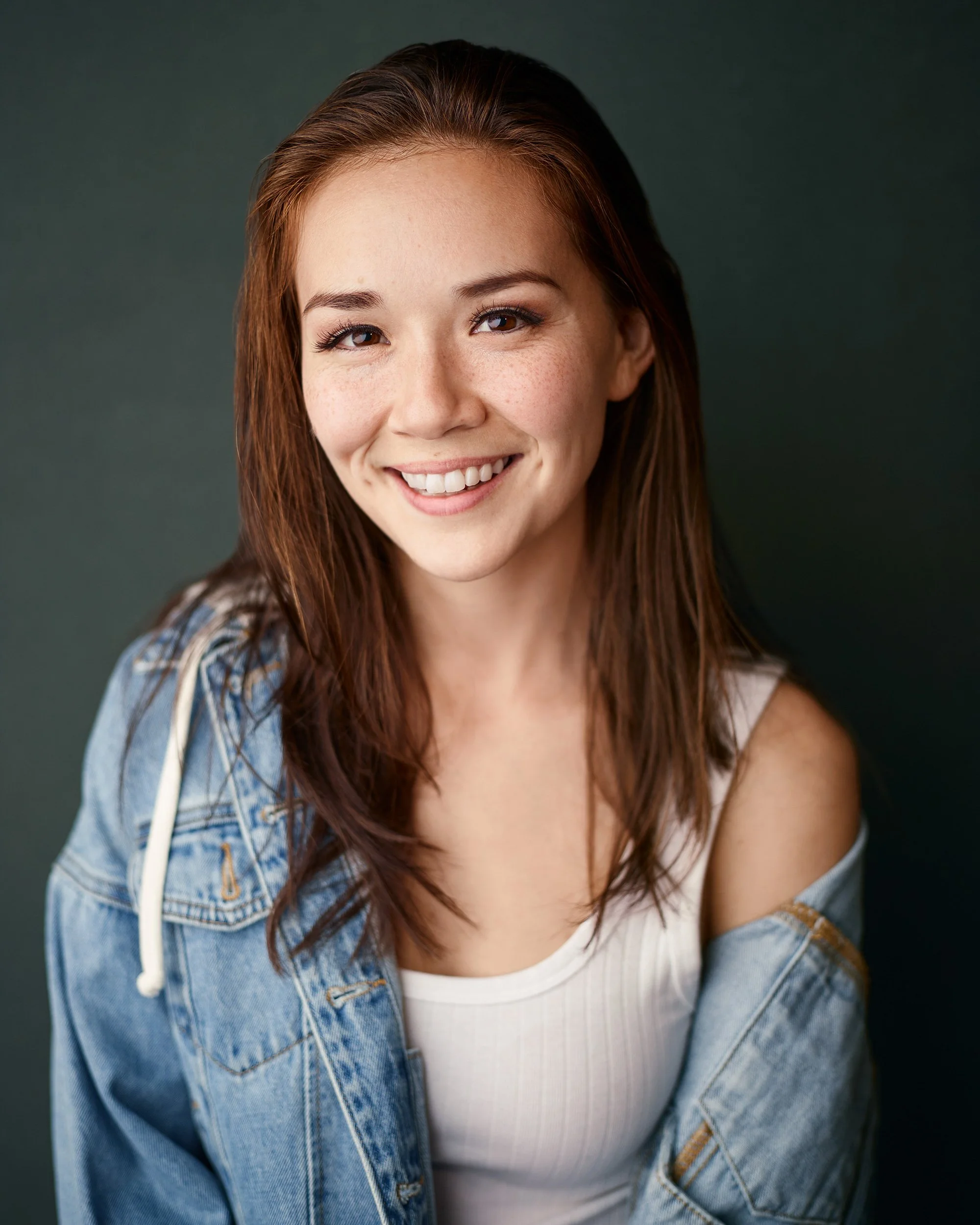
Here's the working definition I use. An authentic headshot shows the version of you that walks into a room on a good day. Not a smoothed-out version. Not a younger version. Not a version with a jawline you don't have or skin you stopped having ten years ago. The person in the photo is the person who shows up to the meeting.
That sounds obvious until you start looking at headshots. Most fail for two reasons. Either the photo is under-directed and the person looks stiff and uncomfortable, which is also not who they are, or it's been retouched until the skin looks like plastic and the face doesn't quite match the human you'd recognize across a table.
AI headshots are the third problem. The person in the image isn't you. It's a composite based on a few selfies, generated by a model trained on millions of other faces. It might look polished. It might even look professional. But the gap between that image and the actual person is where the trust problem starts.
The rest of this post is about why authenticity is a specific thing, why it's built during a real session, and why a generated image can't get there.
Why an AI Headshot Doesn't Look Like You
A real headshot captures specific things. The way your eyes look when you're paying attention to someone. The slight asymmetry of your smile. The texture of your skin under controlled light. The angle your shoulders take when you sit up without thinking about it. None of those details are remarkable on their own. Together, they're what makes the image recognizable as you.
AI generators don't capture any of that. They generate. The model takes a few selfies as input, identifies general features (hair color, face shape, glasses), and produces an image that statistically resembles you based on patterns from millions of other faces. The output looks like a person. It often looks like a professional headshot. It just doesn't quite look like the specific person you are.
The training-photo problem makes this worse. AI tools work better when you feed them a lot of high-quality images. Most people don't have that. They have a few selfies, a couple of phone pictures from vacations, and maybe an old LinkedIn photo. The model fills in the gaps with averages, and the averages drift. Skin gets smoother than it should be. Features get more symmetrical than they are. The face in the output is plausible, but it's not yours.
That's why people who use AI headshots often look at the result and feel something is off. They can't always name what. The image looks like a professional version of someone who shares their general appearance. The specifics that make a face recognizable are the things AI can't generate from limited input.
A real session works the opposite way. The starting point is the actual person, not a guess at the actual person. Everything that comes next builds from there.
Authenticity Happens During the Session, Not in Post
The reason a real headshot looks like you isn't the camera. It's everything that happens around the camera during the session.
Direction is the biggest piece. Most people are uncomfortable in front of a camera, and the discomfort shows up as stiffness, forced smiles, or an expression that doesn't quite look natural. A photographer who coaches you through it, your posture, your chin angle, when to breathe, when to engage, gets you to a relaxed, attentive expression that looks like how you actually are when you're not thinking about being photographed. Without that coaching, the image captures someone performing instead of someone being themselves.
Lighting matters for the same reason. Even, flat light makes faces look generic. Lighting built for your specific features adds depth in the right places, holds detail where it should, and shows you as a real person under real light instead of a stock-photo composite. A round face takes light differently than an angular one. Glasses need a slight lens tilt to kill glare. Skin tones need different fill and contrast balances. None of that gets handled by a one-setup operation, and none of it gets handled by an AI tool.
Retouching is the last piece, and it's where most authentic headshots get ruined. Heavy retouching erases the specifics that make you look like you. Pores, fine lines, the small asymmetries in every face. Retouching cleans up temporary distractions, flyaway hair, a stray blemish, under-eye fatigue from a bad night's sleep, and leaves everything else alone. The goal is to look like yourself on a good day. Not a different person.
Direction, lighting built for your face, and hand retouching are the three things that create an authentic headshot. AI skips all three. It can't direct you because there's no session. It can't light you because there's no light. It can't retouch with restraint because the entire image is generated.
That's the difference between a headshot and a generated image of someone who looks vaguely like you.
The Trust Problem AI Headshots Create
AI headshot tools are tempting for an obvious reason. They cost $20 to $50, they take minutes, and the output looks acceptable at first glance. For someone who needs a headshot fast and doesn't want to spend money, that seems like an easy decision.
The problem isn't the price or the speed. It's what happens after someone figures out the headshot is AI.
Once a viewer identifies an image as generated, the question stops being whether the image looks good. The question becomes what else this person is willing to fake. A headshot is a small thing on its own, but it's the first piece of professional information most people see. If the first piece is fabricated, the rest gets re-evaluated in that light. The resume. The pitch. The promises.
That re-evaluation happens whether or not the AI headshot was meant to deceive. People aren't generous about it. They don't think "headshots are expensive." They think the person is hiding something, or trying to look like a version of themselves that doesn't exist, or skipping a basic professional step that everyone they trust has done. The intent doesn't matter.
This is the part of the AI headshot conversation that gets glossed over. The trust cost is the thing that doesn't show up until later, in the meetings that don't get scheduled and the emails that don't get returned, and most people who use AI headshots never connect the silence back to the photo.
For a headshot used somewhere your reputation matters, that risk is the entire problem.
When People Notice Your Headshot Isn’t Authentic
People notice AI headshots more often than the people using them realize. The signs are subtle individually and obvious together. Skin that's too smooth. Lighting that's too even across the face. Backgrounds that look rendered instead of photographed. Hair that doesn't quite resolve at the edges. Recruiters, hiring managers, business development leads, journalists, and communications teams all look at headshots as part of their job. They see enough images to spot the pattern.
The detection rate is going up, not down. As AI tools get more popular, the people on the receiving end get more practiced at identifying them. What was undetectable two years ago is flagged in seconds today, and the gap will keep closing. And more often than not, people are tired of seeing AI slop.
The reaction once an image is flagged is consistent. Research on AI-generated profile photos shows that viewers rate the same image lower on trustworthiness, competence, and authenticity once they're told it's AI-generated, compared to when they think it's real. The image didn't change. The label did.
For a job seeker, that means a recruiter who flags the photo can move to the next candidate without thinking about it. The headshot doesn't have to be the official reason. It just has to be the first impression that didn't land. For a salesperson, it means a prospect who flags the photo doesn't reply, and the deal goes to a competitor whose headshot looked real. For a founder, it means an investor who flags the photo reads the deck with a different posture, and the meeting that should have happened doesn't.
None of this is dramatic. It's slow, quiet, and impossible to measure. Which is why it keeps happening.
If You Want a Headshot That Holds Up
Every headshot I shoot at S72 is built around the person in front of the camera. Custom lighting for your features. Direction through every frame so your expression looks like you instead of a stiffer version of you. Hand retouching that cleans up temporary distractions and leaves the rest alone. The result is an image that holds up at thumbnail size on LinkedIn, full size on a website, and every size in between, because it's made from a real session with a real person.
If your headshot is on something that matters, would you rather take the AI shortcut and hope nobody notices, or have an image that looks like you on your best day for the next year or two? The cost difference is real. So is the trust cost on the other side.
When you're ready, you can book a session or get in touch below.
Common Questions
What makes a headshot "authentic"?
An authentic headshot shows the person you actually are on a good day, not a smoothed, younger, or composite version. The image holds your real features, real skin texture, and the expression that matches how you come across in person. It's built from a real session with direction, controlled lighting, and light retouching that keeps the specifics intact.
Can people actually tell if a headshot is AI-generated?
More often than the people using them realize. Skin that's too smooth, lighting that's too even, hair that doesn't resolve at the edges, and rendered-looking backgrounds are common tells. Anyone who looks at headshots as part of their work sees enough images to spot the pattern, and detection rates are rising as AI tools spread.
Do hiring managers reject AI headshots?
Often, yes, even if they don't say so out loud. A recruiter who flags a headshot as AI doesn't need to make it the official reason for moving on. The image just has to register as off, and the next candidate gets the call. For competitive roles, an AI headshot is a quiet liability before the resume gets read.
Is it dishonest to use an AI headshot on LinkedIn?
It depends on the gap between the AI image and how you actually look. A polished version of yourself with light retouching is normal. A composite that smooths features, changes your face shape, or doesn't match the person someone meets in real life crosses into misrepresentation. The bigger the gap, the bigger the trust problem.
Why doesn't my AI headshot look like me?
AI tools generate from a small set of input photos and fill in gaps with averages from millions of other faces. With limited training images, the model defaults to symmetrical features, generic skin texture, and approximations of your real face. The output looks like a person who shares your general appearance, not the specific person you are.
Are there any cases where an AI headshot is fine?
For low-stakes uses where nobody will check, like a placeholder avatar on a side project or an internal tool. For anything tied to your professional reputation like LinkedIn, the company website, sales materials, press, speaker bios then the trust risk outweighs the convenience. If the image will be seen by people deciding whether to work with you, use a real one.
