
Startup Headshots: Cost, Examples, Styles & Advice
Founder Headshots & Photoshoots in the San Francisco Bay Area
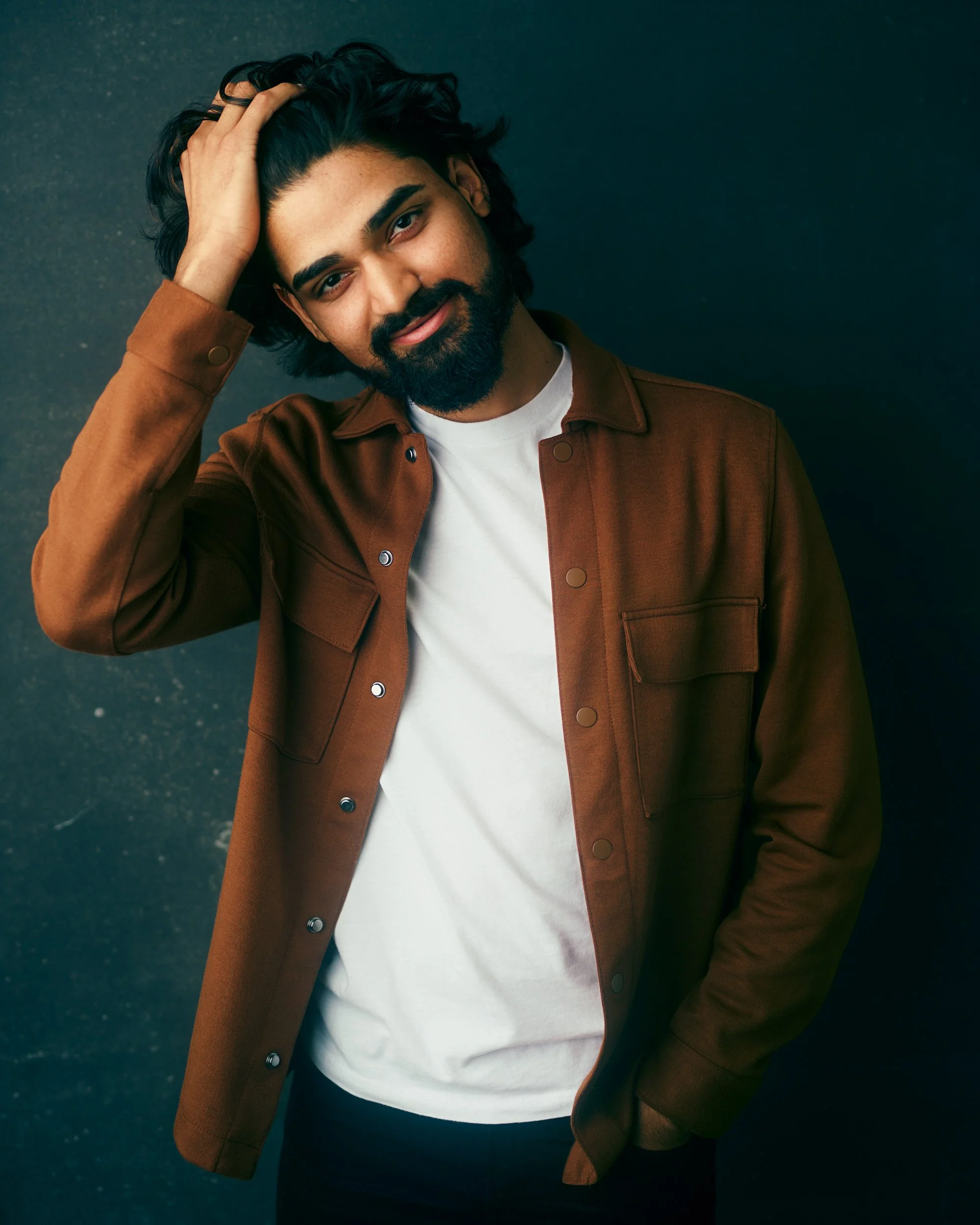
What to Know Before Your Startup Headshot
At a startup, your photo goes on the team slide of the pitch deck, in the launch announcement and on a careers page with only a few faces on it. I take startup and founder headshots for founders, early hires and advisors at my studio in San Francisco. Growing teams that need matching photos can come to the studio, or I can come to your office.
What Are Startup Headshots?
Startup headshots, often called founder headshots, are portraits of the people building a young company: the founders, early hires and advisors. Investors, early customers and job candidates use them to decide who they'd be backing, buying from or working with. The usual crop is head and shoulders against a plain backdrop, so one photo works in a deck, on a team page and on LinkedIn.
A startup headshot usually looks less formal than a CEO headshot at a public company. People looking at a startup team are deciding whether this small group can build what it promises, so the photo should look current and approachable more than corporate. Many founders add a more formal version later, after a large funding round or when the company goes public.
A looser shot from the waist up, often called a founder portrait, works for press features, conference programs and the about page. It shows more of how you stand and dress, and it can be cropped for a wide web banner.
The backdrop and light can match your brand: a color pulled from the logo or the product, or a neutral tone if the brand is still changing. A neutral version is worth having either way, since early-stage branding often changes after the first year.
Who Needs Startup Headshots?
Founders need startup headshots first, then the early hires and advisors who appear on the team slide and the website. Most startups book around a milestone: a fundraise, a product launch, an accelerator Demo Day or a hiring push. A headshot usually lasts two to three years, but small teams change fast, and a new title often calls for a new photo sooner.
When to book:
Raising a round: investors see your photo on the team slide, in the data room and on your LinkedIn profile, often before the first call.
A launch: the press kit, the launch post and the product listing all need a photo of the people behind it.
An accelerator: programs usually ask for founder photos for their company directory and Demo Day materials, on a short deadline.
Hiring: candidates look up the founders before they apply. At a ten-person company, they're deciding who they'll work next to every day.
Talks and press: conference programs, podcasts and news stories ask for a high-resolution photo, and for a talk, the deadline is often a few weeks before the event.
My client Adam Cheyer helped start five companies, including Siri. The photo used for his talks was 10 years old and cropped out of a group shot. The headshot I took is now his go-to photo for speaking engagements around the world.
Early hires: on a small team, everyone is on the about page. One missing photo or a cropped party picture stands out more on a page of eight people than on a page of eighty.
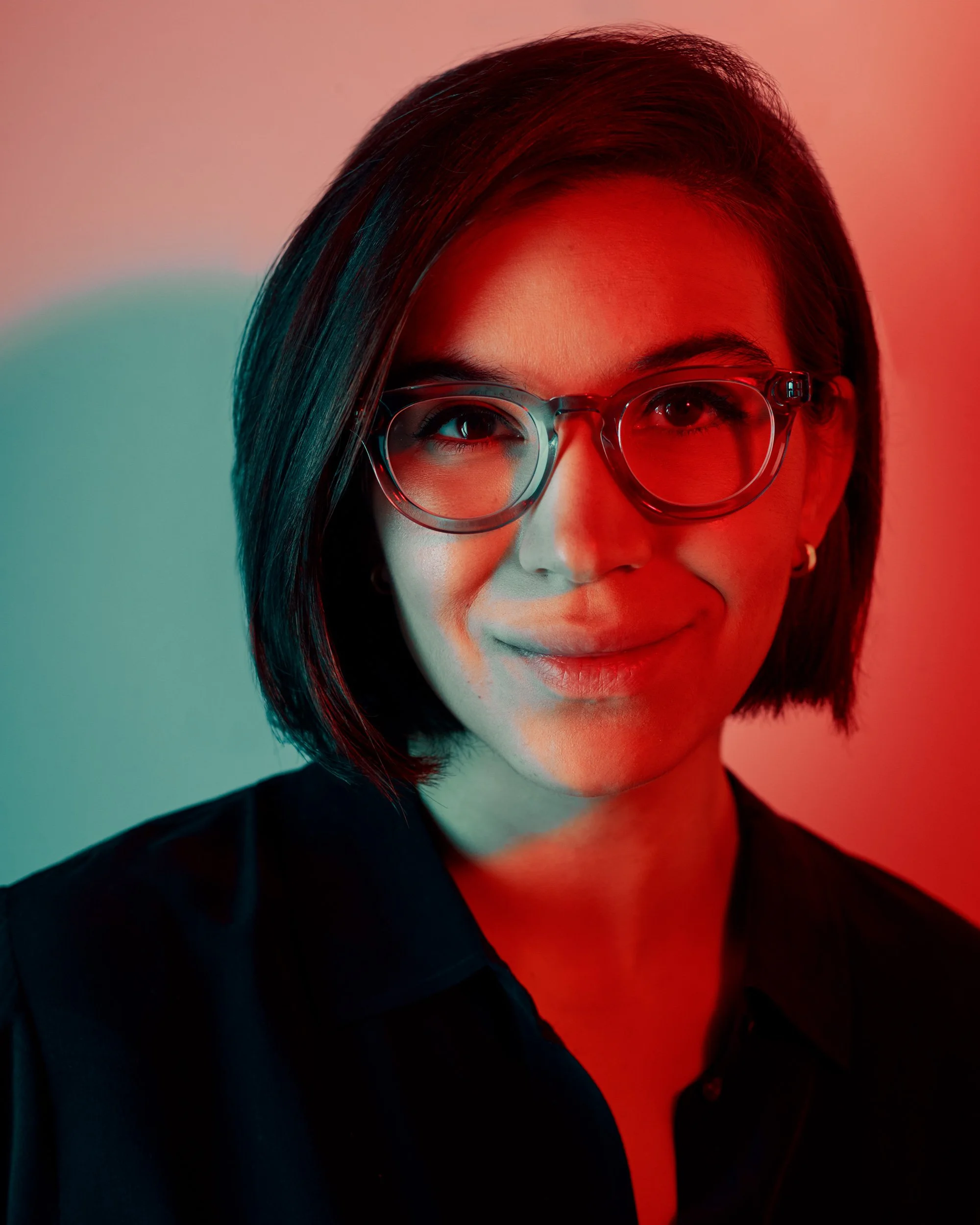
What Should Founder Headshots Look Like?
Founder headshots should look current, confident and approachable, and you should still be easy to recognize when the photo is shrunk onto a pitch deck's team slide. They're usually cropped at the shoulders, with eyes at the camera. How formal the backdrop, light and clothes look depends on who the company sells to.
By who you sell to:
Large companies: a dark backdrop, more directional light and a jacket. Buyers signing a multi-year contract want the team behind it to look experienced.
Consumers: brighter light, a lighter backdrop and a warmer expression. Customers often buy from founders they feel they know.
Developers and engineers: soft, even light and a relaxed look. A stiff suit-and-tie photo looks out of place on a developer conference page.
On the team slide: investors often see founder photos as small circles next to names and past employers. A plain backdrop and a little space above the head keep you recognizable between the logos and text.
Expression: every session includes smiling, not smiling and serious looks. The warmer ones usually suit the deck and the careers page. A more serious one can go out with funding news.
More than one business: Michelle Sauzier booked a session with me while running two companies: Marketup360, a growth marketing consultancy, and Meashell, a jewelry brand. She wanted photos that showed strength and clarity for the consultancy and warmth for the jewelry. In her words: "As a founder, you are part of the business. Your image should reflect that."
Standing out: for a consumer founder, a bolder choice like strong side light or a bright color backdrop makes the photo easier to remember. More on headshots that don't look like everyone else's.
Should Startup Headshots Be Casual or Professional?
Most startup headshots mix the two: casual clothes, professional photography. An open collar, a crew-neck sweater or a T-shirt with a blazer fits how startup teams dress. The light, backdrop and retouching are what make it professional. Go more formal if you sell to banks, hospitals or government, or work in a regulated field like fintech.
What makes it casual: the clothes and the expression. No tie, softer fabrics and a relaxed smile make a small team look approachable.
What keeps it professional: light set up for you, sharp focus on the eyes, a plain backdrop and retouching that leaves skin texture alone. Good clothes don't fix a phone photo. Next to a co-founder's studio shot in the deck, it looks unfinished.
When to dress up: in fintech, health tech and legal tech, buyers expect the people behind the product to look like they'd fit in at a bank, a hospital or a law firm. The photo should match the buyer's office more than your own.
Two looks, one session: wear a jacket for the investor deck, then take it off for the team page and social posts. If you're not sure which way to go, bring both and choose once the proofs come in.
Company T-shirts: a shirt with your logo works on the careers page, but it dates the photo if the company renames or rebrands. A plain top lasts longer.
What Should Founders Wear for Headshots?
Wear the outfit you'd choose for an investor meeting, in solid colors that work with your company's brand. Check the fit at the collar and shoulders, since that's most of what people see in a pitch deck. Leave hoodies, conference lanyards and other companies' logo shirts at home, because they pull attention from you or date the photo.
Color: choose a top in one of your brand colors, or a neutral like navy, gray or white that won't clash with the logo on your website. If the backdrop will be a brand color, wear a neutral so you don't blend into it.
Hoodies: they're common in tech, but the hood bunches up behind your neck and the strings hang into the frame. A plain crewneck sweatshirt gives the same feel and holds its shape.
Other companies' logos: a T-shirt or vest from a past employer, an accelerator or a conference puts someone else's brand in your photo.
Take off the extras: event badges, earbuds and smartwatches that light up. For a waist-up photo, empty your pockets so a phone or keys don't show through.
Glasses: wear the pair investors see on your video calls, so you look the same on screen and in the deck. Glare can be fixed with the lights and a small tilt of your glasses.
Your style: if people know you for a bright color or a bold print at demo days and meetups, wear it.
Fabric and pattern tips are in the headshot outfit guide.
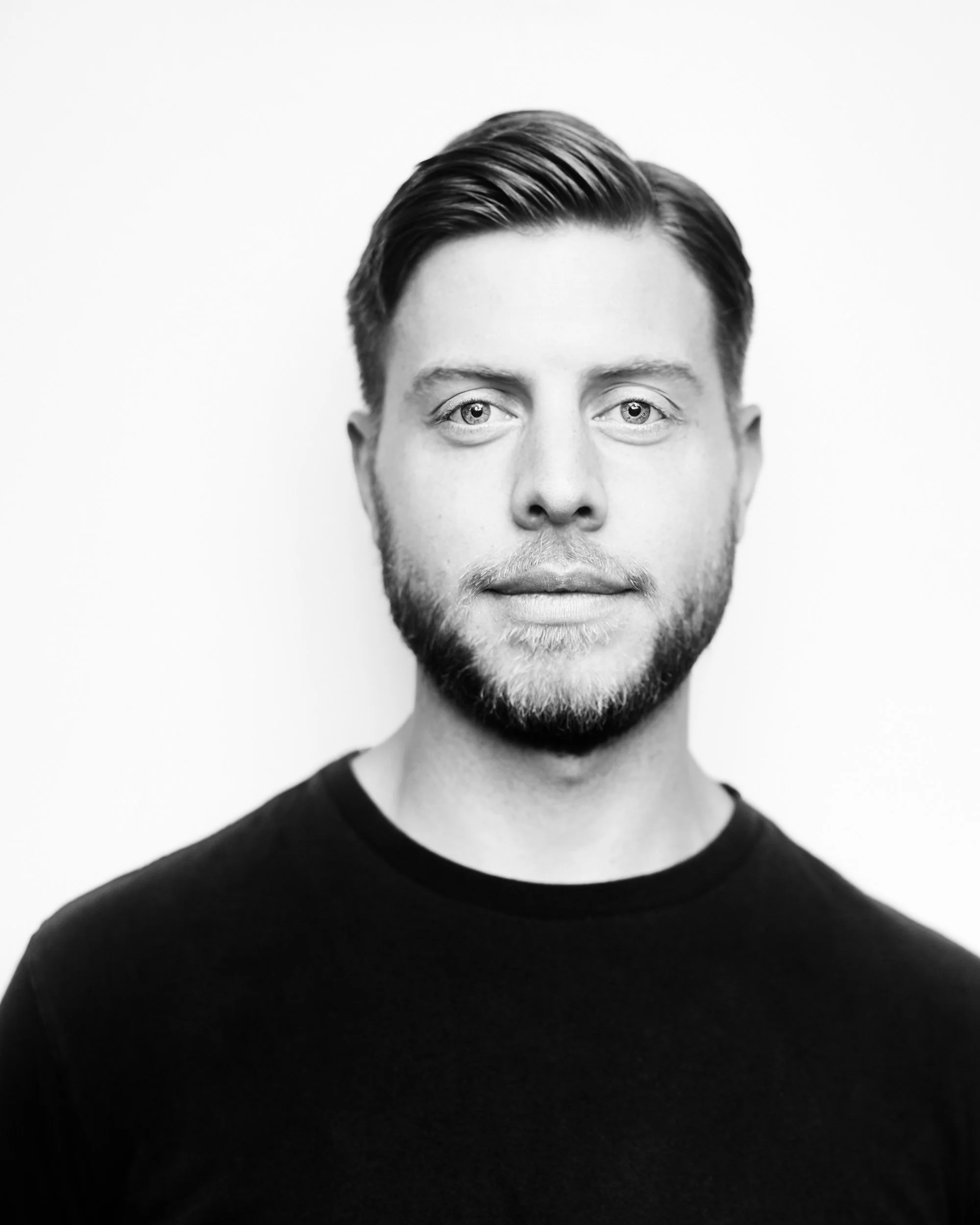
How Do Startup Teams Get Matching Headshots?
Startup teams get matching headshots by having one photographer shoot everyone with the same backdrop, lighting, crop and color range, usually in one session at the office or a studio. Ask the photographer to keep notes on the setup, so people hired later can be photographed in the same look and the team page still matches.
Why it matters early: a startup's team page may have only six to ten people on it, and investors and job candidates look at every one. A mix of selfies, AI images and crops from group photos makes the company look thrown together. Matching photos make a small company look organized.
What stays the same: the backdrop, the lighting, how tight the crop is and where the eyes sit in the frame. A shared color range for clothes helps too, like dark solids or the company's brand colors. Expressions can still vary from person to person.
Office or studio: at the office, the photographer sets up in a conference room or open space and people come in one at a time. Smaller teams often go to the studio instead.
New hires and remote teammates: startups hire quickly after a funding round, and many have people in other cities. Ask whether new and remote people can come in later and get the same look, without rebooking the whole team.
A team that matches: before Trieve's Series A, co-founder and CEO Nick Khami wanted the whole team to have "cohesive headshots." Everyone had been using AI images made from candid photos, and side by side they looked "disjointed." I photographed each person one at a time, then the group. The team now uses the photos on GitHub too, where Nick says they help people see the humans behind the company.
More on company headshot sessions.
What Should I Look For in a Startup Headshot Photographer?
Look for a startup headshot photographer who directs you through the session, sets the light for each person and retouches by hand. Founders should also check two more things: whether the photographer can cover a whole team in one visit to your office, and whether photos will be ready before a launch or funding announcement goes out.
Direction: most founders are used to pitching, not posing. A good photographer tells you where to turn, when to relax your jaw and when to try again, so you're never guessing.
Range: look through the portfolio for founders, engineers and other tech clients, with the light set differently for each person. If everyone in it stands in front of the same gray backdrop, you'll get that backdrop too.
Team experience: ask whether they've photographed a startup or company team, and ask to see a team page they shot. Every person on it should match, and nobody should look rushed.
Retouching: investors and reporters see your photo large in decks and press kits. Ask for retouching that looks real, with skin texture kept and only temporary things removed.
Timing: launches and announcements have fixed dates. Ask when proofs and final files arrive, and book with enough time to choose your favorites without rushing.
Ask the photographer:
How will you direct me so I don't look staged?
What lighting would you use for my role and my company's brand?
Have you photographed startup teams, and can I see one?
When will final files be ready, and is there a reshoot policy?
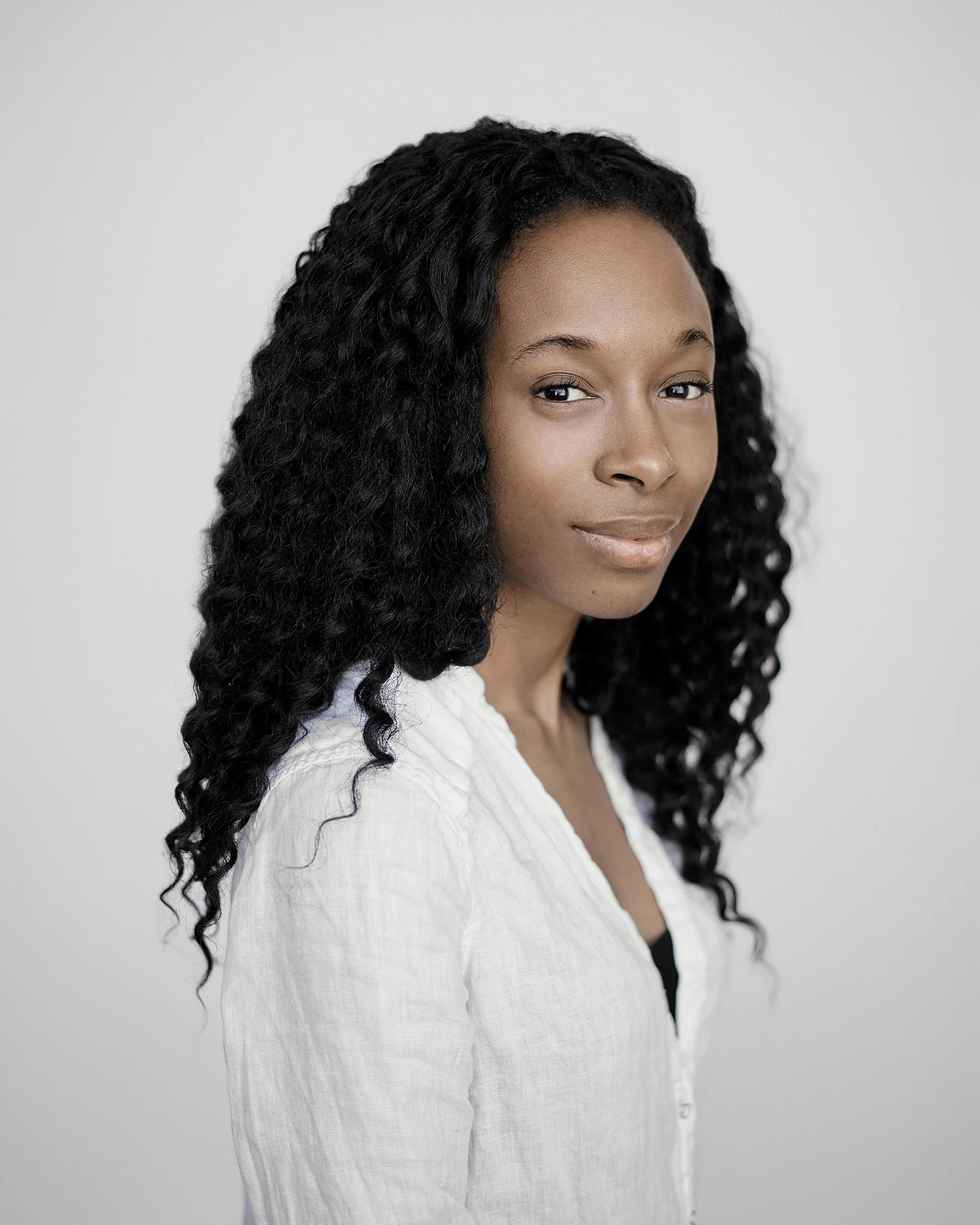
How Much Do Startup Headshots Cost?
Founders in the San Francisco Bay Area typically pay $200 to $800+ for an individual session. At the top of that range, you usually get more time with the photographer, a second look and retouching done by hand. Photographing the whole team at your office is quoted as one price for the company, based on headcount.
What changes the price:
Founders only or the whole team: a session for two or three founders is priced differently from an office visit for everyone, which depends on headcount and location.
Looks: a deck photo plus a casual one for the careers page takes more time than a single look.
Usage: confirm the photos can go in press releases, ads and investor materials with no added license fee.
If a quote comes in far below that range, ask what's left out. Usually it's experience: a photographer who's newer to directing people, uses one light for the whole team, gives each person a few minutes and smooths skin with a filter instead of retouching by hand. The quality drops, and in a pitch deck or on a press page next to other founders, people notice. More on how a cheap session ends up costing more.
You'll use a headshot for two to three years, through funding rounds and launches. S72's pricing lists the current rates for individual sessions.
Should I Use AI for My Startup Headshots?
Investors, early customers and first hires want to see the person behind the product, and at a startup, they usually see the founder's photo first. An AI headshot from ChatGPT or an app is fast and nearly free, but it suggests the company took a shortcut with its own brand on day one.
The person behind the product: Maria Laguardia came to me before launching elan Precision Hair Care. She wanted people to know she's "an individual not a mega brand," and she skipped AI on purpose. In her words: "Like AI the photos are soul-less."
Demo day: your photo sits on the slide behind you while you pitch. If the person on stage doesn't match it, people notice right away.
One look for every company: AI apps give everyone the same bright, generic studio look. They can't make you look more formal for enterprise buyers or warmer for consumers, and they can't coach the relaxed expression that works in a pitch deck.
Funding news: a launch story or a funding announcement can show your photo at full width, where waxy skin, bent glasses frames and odd hair are easy to spot.
More on what an AI headshot can't show.
Where Can I Get Startup Headshots in San Francisco?
At S72 Business Portraits, I plan each startup headshot session with you around where a founder's photo goes first: the pitch deck, the team page and the launch announcement. The studio is at 1097 Howard St. #208 in San Francisco, and individual sessions are up to 30 minutes.
First, we'll talk through the look together: the backdrop, the light and how formal you want to be. Bring ideas if you have them, or I'm happy to lead. I don't use preset lighting. During the session I coach your expression, and we review the images together on a large monitor as we go.
Proofs and finals: you get proofs shortly after the session and choose your favorites. Your custom fully retouched images are done by hand, with no filters or AI. Finals are ready about a week after your picks, often in two to three days. Here's what a session is like.
Startup teams: you and I choose one custom look around your brand, and the whole team is photographed in it, at my studio or your office. New hires can be added later in the same look. See team sessions.
Guarantee: individual sessions come with a money-back guarantee. It's risk-free. If you're not happy with your headshot, you don't pay.
Reviews: 850+ combined 5-star reviews in San Francisco and the Bay Area.
Get in touch with any questions: